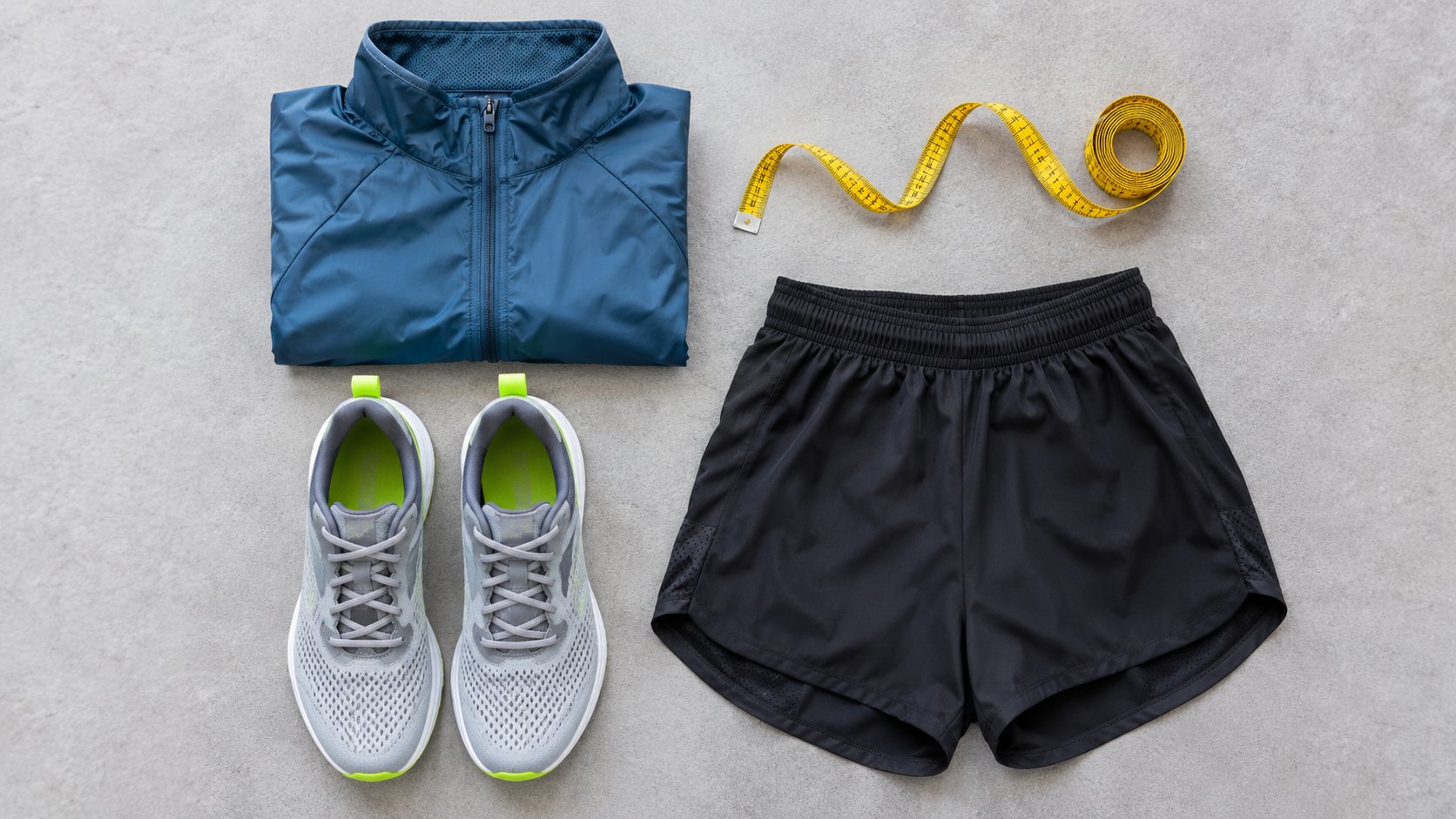
The most common winter running mistake is dressing for the temperature on the porch. Ten minutes into a run your body is producing heat like a small radiator, and the cosy outfit becomes a sauna. Soaked layers then chill you on the way home.
The 10-degree rule
Dress as if it were about 10 °F (5-6 °C) warmer than the thermometer says. If you feel slightly cold during the first five minutes, you got it right.
Three layers, three jobs
- Base layer: moves sweat off the skin. Merino or a synthetic knit, never cotton. A merino base layer stays warm even when damp and doesn't hold odor.
- Midlayer: keeps the warm air in. A light grid fleece like the Grid Fleece Quarter-Zip is enough below freezing; the zip lets you vent heat on climbs.
- Outer layer: blocks wind and drizzle. A featherlight windbreaker packs into its own pocket; save the fully waterproof shell for real rain.
Above 40 °F (5 °C) most runners need only the base layer and a windbreaker. Between 20 and 40 °F add the midlayer. Below that, think about tights under your running pants.
Hands, head and feet
You lose a surprising amount of heat through your hands and head, and they are the easiest parts to adjust on the move. A thin merino beanie and light gloves can go into a pocket when you warm up. Keep feet dry with cushioned running socks made of synthetic yarn, and on icy days pick a shoe with deeper lugs.
Be seen
Winter runs often start or finish in the dark. Choose at least one piece with reflective details and run against traffic on roads without sidewalks.